
Revolutionizing Warehouse Logistics: The Strategic Advantages of Lithium-Ion Forklift Batteries
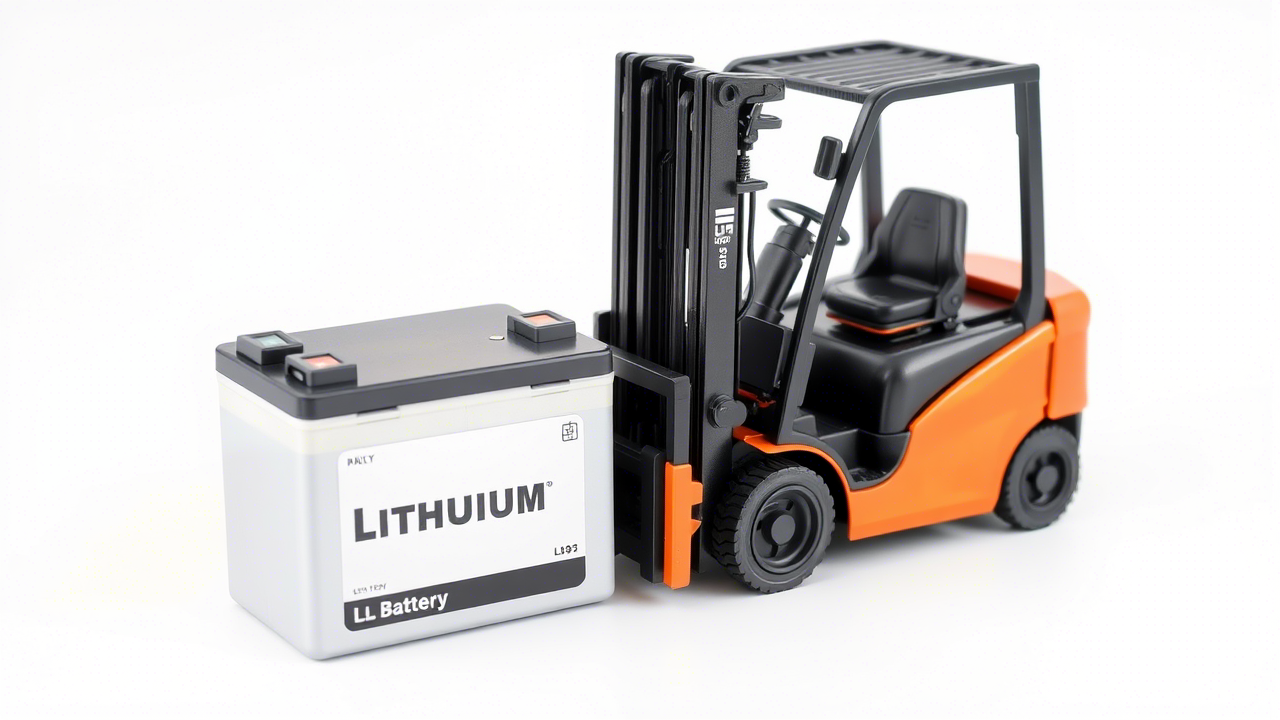
In the dynamic and demanding landscape of modern warehouse operations, the pursuit of enhanced efficiency, unwavering reliability, and superior performance is perpetual. The integration of lithium-ion (Li-ion) forklift batteries represents a pivotal technological advancement for the material handling industry, offering a transformative pathway to operational excellence. These advanced energy systems empower forklifts with significantly extended operational cycles, drastically reduced charging times, and consistently higher performance metrics. A comprehensive understanding of how Li-ion technology decisively outperforms conventional lead-acid counterparts is essential for businesses aiming to optimize productivity, reduce operational costs, and advance their sustainability objectives.
1. Maximizing Operational Uptime and Throughput via Advanced Charging Protocols
Lithium-ion batteries are engineered for rapid energy replenishment, charging substantially faster than traditional lead-acid units. This expedited charging capability directly translates to minimized equipment downtime and maximized asset availability, crucial for maintaining high productivity levels, especially during peak operational periods.
A key enabler of this efficiency is opportunity charging. Unlike lead-acid batteries that benefit from complete charge cycles, Li-ion batteries can be partially charged during brief interludes – such as operator breaks or between shifts – without incurring degradation to their lifespan or capacity. This flexibility ensures forklifts can remain consistently operational, which is invaluable for facilities with multi-shift schedules or those handling time-sensitive goods. The elimination of lengthy post-charge "rest" periods further contributes to uninterrupted material flow and enhanced overall warehouse throughput.
2. Unwavering Power Delivery for Consistent High-Performance Operations
A significant operational advantage of Li-ion forklift batteries is their ability to maintain a stable voltage output throughout the entire discharge cycle. Lead-acid batteries typically exhibit a gradual decline in power as they discharge, leading to diminished forklift performance. In contrast, Li-ion technology delivers consistent, high-level power until the charge is nearly depleted. This ensures forklifts operate at optimal capacity, efficiently handling heavy loads, maintaining consistent travel and lift speeds, and powering attachments without discernible performance lag.
This stable power delivery also provides an ancillary benefit: it protects the forklift's sensitive electrical components from the stress of voltage fluctuations. This can contribute to reduced wear and tear, potentially extending the lifespan of the forklift itself and decreasing the frequency of related maintenance interventions.
3. Drastically Reduced Maintenance Burdens and Extended Operational Lifespan
Maintenance considerations are paramount in battery selection. Traditional lead-acid batteries necessitate a rigorous and time-consuming maintenance regimen, including regular watering, terminal cleaning, and equalization charges to prevent sulfation and maintain performance. Failure to adhere to these protocols can result in diminished efficiency, premature failure, and costly repairs.
Lithium-ion batteries fundamentally simplify this paradigm. Their sealed-cell, maintenance-free design obviates the need for any routine upkeep. This allows warehouse personnel to redirect their focus from battery maintenance to core operational duties, fostering smoother workflows and minimizing disruptions. Furthermore, Li-ion batteries typically boast an operational lifespan two to three times longer than their lead-acid counterparts, significantly reducing the frequency and associated costs of battery replacement and contributing to a more sustainable operational model by minimizing battery waste.
4. Enhanced Energy Efficiency and Commitment to Environmental Sustainability
The transition to Li-ion forklift batteries strongly aligns with the growing global emphasis on environmental responsibility and energy conservation within the logistics sector. Li-ion batteries demonstrate superior charge/discharge efficiency, converting a greater percentage of input electricity into usable power while minimizing energy loss during both charging and operation. This heightened efficiency leads to lower overall energy consumption and a reduced carbon footprint.
Crucially, Li-ion batteries are inherently more environmentally sound. They do not contain hazardous materials such as lead or sulfuric acid, nor do they emit noxious gases (like hydrogen) during charging or operation. This creates a safer working environment for warehouse staff and simplifies end-of-life disposal. The extended lifespan further supports eco-conscious practices by reducing the volume of batteries requiring disposal.
5. Superior Safety Standards for Personnel and Equipment
Lithium-ion batteries incorporate several features that significantly enhance safety within warehouse environments. Their sealed construction inherently prevents hazardous acid spills, leaks, and the off-gassing common with lead-acid technologies.
Moreover, modern Li-ion forklift batteries are equipped with sophisticated Battery Management Systems (BMS). These intelligent systems continuously monitor and regulate critical operational parameters such as cell voltage, current, and temperature. The BMS actively protects against potential hazards like overcharging, over-discharging, short-circuiting, and thermal runaway, thereby safeguarding both the operator and the forklift. The often lighter and more compact form factor of Li-ion batteries can also contribute to improved forklift stability and maneuverability.
6. Consistent Performance Across Diverse Temperature Ranges
Warehouses operating in environments with extreme or fluctuating temperatures often encounter performance challenges with lead-acid batteries, which can suffer significant efficiency degradation in very hot or cold conditions. Lithium-ion batteries are engineered for reliable performance across a broader operational temperature spectrum. Their advanced chemistry and integrated thermal management systems ensure consistent power delivery and charge acceptance, even in thermally demanding settings, often without the need for ancillary heating or cooling equipment.
7. Optimization of Warehouse Space and Streamlined Logistical Management
The adoption of Li-ion battery technology can lead to notable improvements in spatial efficiency. Unlike lead-acid systems that typically require dedicated, ventilated charging rooms and battery swapping stations, Li-ion batteries can often be charged in-situ or with more compact charging infrastructure. This liberates valuable floor space for core warehousing activities.
The reduced need for battery swapping and extensive spare battery inventories also simplifies logistical planning and inventory management, minimizing handling requirements and potential operational delays associated with battery logistics. These advantages are particularly beneficial for facilities with spatial constraints or those seeking to maximize revenue-generating use of their footprint.
8. Compelling Long-Term Economic Viability and Reduced Total Cost of Ownership (TCO)
While the initial investment for Li-ion forklift batteries may be higher than for traditional lead-acid options, a thorough Total Cost of Ownership (TCO) analysis typically reveals significant long-term financial advantages. The substantially longer lifespan reduces capital expenditure on replacements. The elimination of routine maintenance minimizes labor costs and resource allocation. Superior energy efficiency and the ability to opportunity charge contribute to lower electricity expenses.
Collectively, these factors lead to a demonstrably lower TCO over the battery's operational life, enabling warehouses to reallocate resources and enhance overall profitability, making Li-ion technology a financially prudent long-term investment.
Conclusion: Driving Future-Ready Warehouse Operations with Lithium-Ion Technology
XiCha recognizes the complex and evolving demands of contemporary warehouse environments. Our comprehensive range of advanced lithium-ion forklift batteries is meticulously designed to deliver the exceptional reliability, heightened efficiency, and uncompromising safety your material handling fleet requires. With decades of specialized experience, we are committed to partnering with businesses of all scales, empowering your warehouse to achieve optimized, seamless operations and a significant uplift in productivity. Choose our innovative solutions to propel your warehouse into a more efficient and sustainable future.
Safety Tips for Lithium Forklift Batteries