
Everything You Need to Know About Forklift Battery Chargers

Forklift battery chargers are vital for keeping your forklifts running smoothly. They ensure batteries are charged efficiently and safely.
Choosing the right charger can be challenging. There are many types, each with unique benefits and features.
Understanding these options can help you make informed decisions. This guide will explore everything you need to know about forklift battery chargers.
From types and features to maintenance tips, we cover it all. Whether you're considering new or used options, this guide will help you find the best fit for your needs.

What Are Forklift Battery Chargers?
Forklift battery chargers are devices that recharge the batteries used in forklifts. They maintain power levels, ensuring forklifts function effectively.
Chargers come in different varieties, each suited for specific operational needs. They help manage energy costs and prolong battery life.
Key attributes of forklift battery chargers include:
- Compatibility with various battery types (lead-acid, lithium-ion)
- Different charging speeds
- Energy efficiency
Proper selection and use of chargers can enhance forklift performance. Understanding their purpose and features is crucial for efficient warehouse operations.
Types of Forklift Battery Chargers
Forklift battery chargers can be categorized into three main types: conventional, opportunity, and fast chargers. Each type has unique advantages and suitable scenarios for use.
Conventional chargers are the most common and are often used overnight. They provide a steady charge, making them ideal for fixed schedules.
Opportunity chargers offer flexibility by allowing charging during breaks. This aids in maintaining battery health over longer shifts.
Fast chargers, while efficient, should be managed carefully. They shorten charging time but may impact battery longevity if overused.
Selecting the right type depends on operational needs:
- Daily usage patterns
- Battery capacity
- Required charging speed
Understanding these types helps optimize forklift operations and supports strategic energy management.
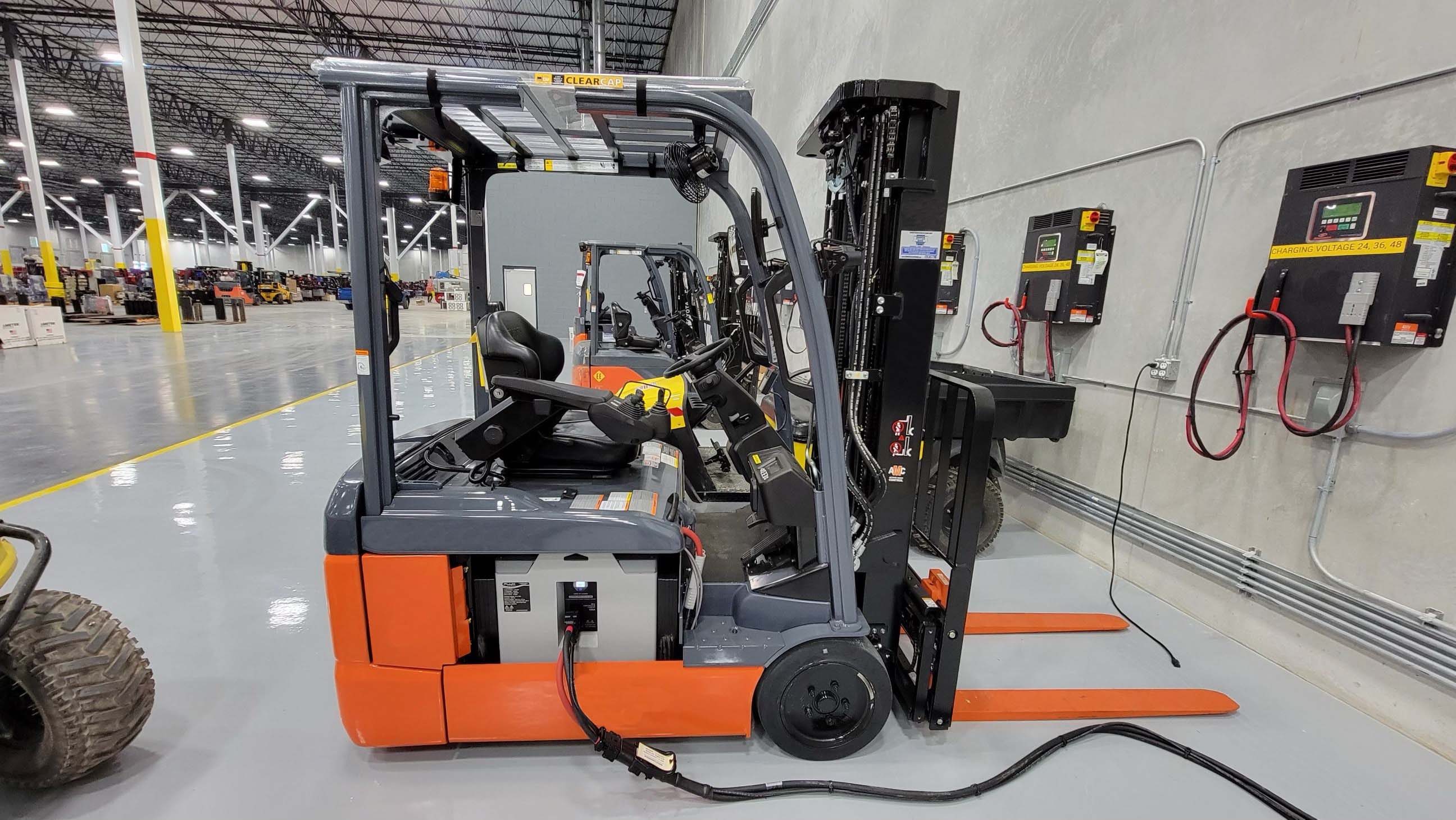
Conventional Chargers
Conventional chargers are the standard choice for forklifts. They provide a steady and slow charge suitable for nighttime.
This method is well-suited for operations with fixed downtime, ensuring consistent battery performance.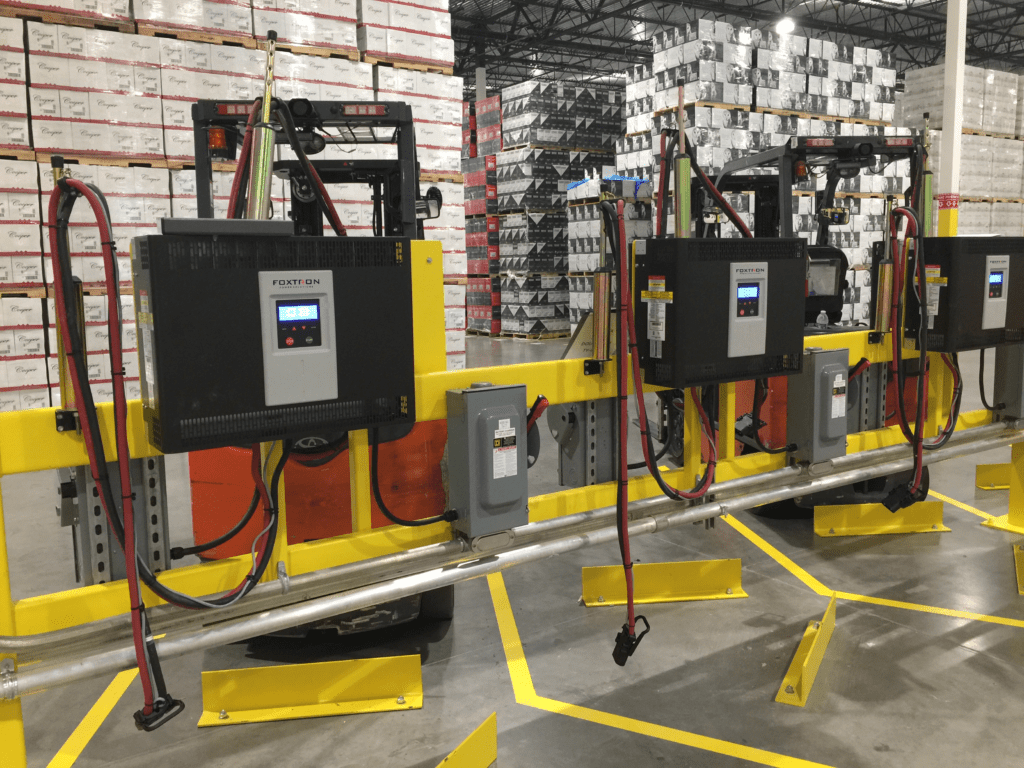
Opportunity Chargers
Opportunity chargers present a flexible charging solution. They allow for charging during natural breaks, optimizing operational uptime.
This type of charger suits environments with irregular schedules and intermittent downtime.

Fast Chargers
Fast chargers significantly reduce charging time. They can power a battery in a fraction of the time.
However, they must be managed wisely, as excessive use may reduce a battery's lifespan.

Key Features to Consider
When selecting a forklift battery charger, consider several essential features. These factors ensure that the charger meets your operational needs and supports battery health.
Voltage compatibility is critical. Ensure the charger matches your forklift battery voltage. Mismatched voltage can lead to efficiency issues and potential damage.
Charging speed and energy efficiency are also important. A charger that balances speed with energy use can reduce operational costs over time.
Look for these features when evaluating chargers:
- Voltage compatibility with your forklifts
- Charging speed and time
- Energy efficiency for cost reduction
A well-chosen charger enhances operational efficiency and extends battery life.
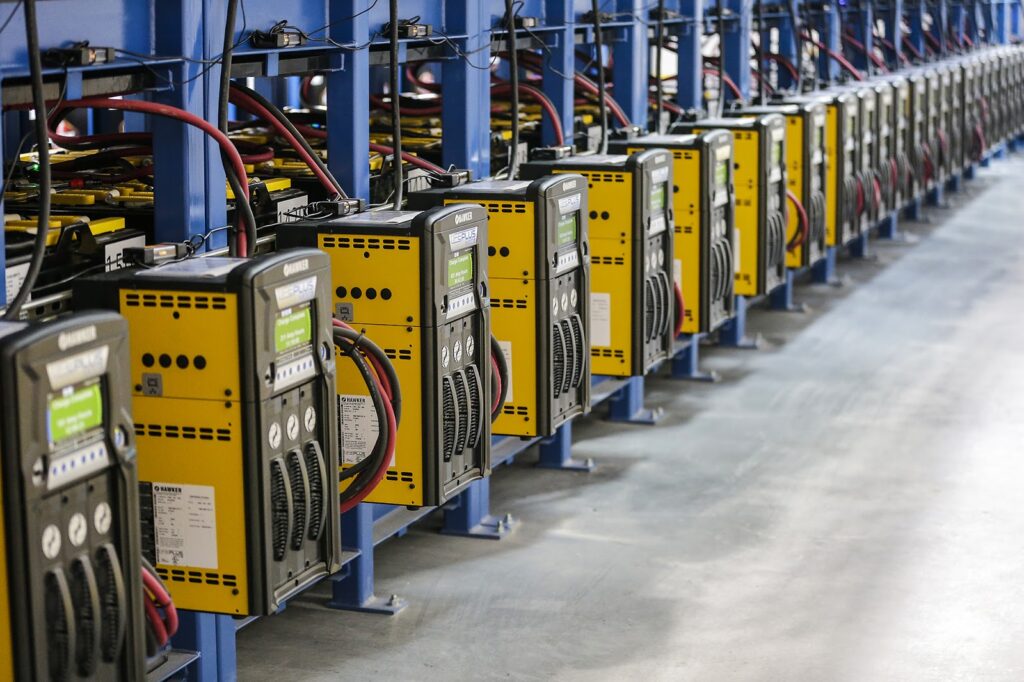
Industrial Battery Chargers: Meeting Heavy-Duty Demands
Industrial battery chargers are designed for demanding environments. They handle heavy workloads and ensure forklifts are ready when needed. These chargers are built to last, providing durability and performance in challenging conditions.
Some key aspects of industrial chargers include:
- High power output for quick charging
- Durability to withstand tough conditions
- Efficient design to reduce energy waste
Choosing an industrial charger supports intense operations and keeps equipment reliable. Maintaining efficiency ensures your fleet operates smoothly.
by Claudio Schwarz (//unsplash.com/@purzlbaum)
Used Forklift Battery Chargers: Pros and Cons
Buying used forklift battery chargers can save money. They often come at a lower price than new models, making them attractive for budget-conscious buyers. However, buying used comes with risks and considerations.
It's important to carefully evaluate the condition of used chargers. Ensure they’re compatible with your forklifts and check for any signs of wear or damage. Assessing a used charger can prevent future problems.
Some pros and cons include:
- Pros:
- Cost-effective
- Immediate availability
- Cons:
- Possible wear and tear
- Shorter lifespan
Selecting a reliable used charger requires diligence and attention to detail.
by Wilhelm Gunkel (//unsplash.com/@wilhelmgunkel)
Maintenance and Safety Tips
Maintaining forklift battery chargers is crucial for optimal performance. Regular inspections help identify wear or potential issues before they escalate. This reduces the chance of unexpected breakdowns.
Safety should always be a priority. Good ventilation is crucial to prevent overheating while ensuring electrical connections are secure. Training staff on charger operations further enhances safety.
Consider the following maintenance tips:
- Inspect and clean regularly
- Avoid overcharging batteries
- Ensure proper ventilation
Consistent maintenance and strict safety measures ensure your chargers function efficiently and safely.

How to Choose the Right Charger for Your Forklift Fleet
Selecting the right forklift battery charger depends on various factors. You need to understand the specific requirements of your fleet. Consider the types of batteries used, such as lead-acid or lithium-ion, and match them accordingly.
Evaluate your operational demands. Do you need fast charging during short breaks, or is overnight charging more suitable? The answer will guide your choice between conventional, opportunity, or fast chargers.
Here's a checklist to help you decide:
- Assess battery types
- Determine charging needs
- Consider budget constraints
- Evaluate energy efficiency
Make informed decisions to ensure the best fit for your operation.
Frequently Asked Questions
Many people have questions about forklift battery chargers. Here are some common inquiries addressed briefly to help clarify any doubts.
FAQs:
- What factors impact charging efficiency?
- How often should chargers be serviced?
- Can used chargers be as reliable as new ones?
These questions often arise, and understanding the answers can improve charger use and maintenance practices.
Conclusion
Forklift battery chargers play a vital role in operational efficiency. Choosing the right charger impacts battery life and productivity.
Consideration of charger types, features, and maintenance is crucial for optimal performance. Investing in quality chargers can lead to long-term savings and smoother operations.
BMS Technology for Forklift Batteries Why Smart Monitoring Matters
The Power Couple: Why Your Forklift Battery and Charger Must Be a Perfect Match

