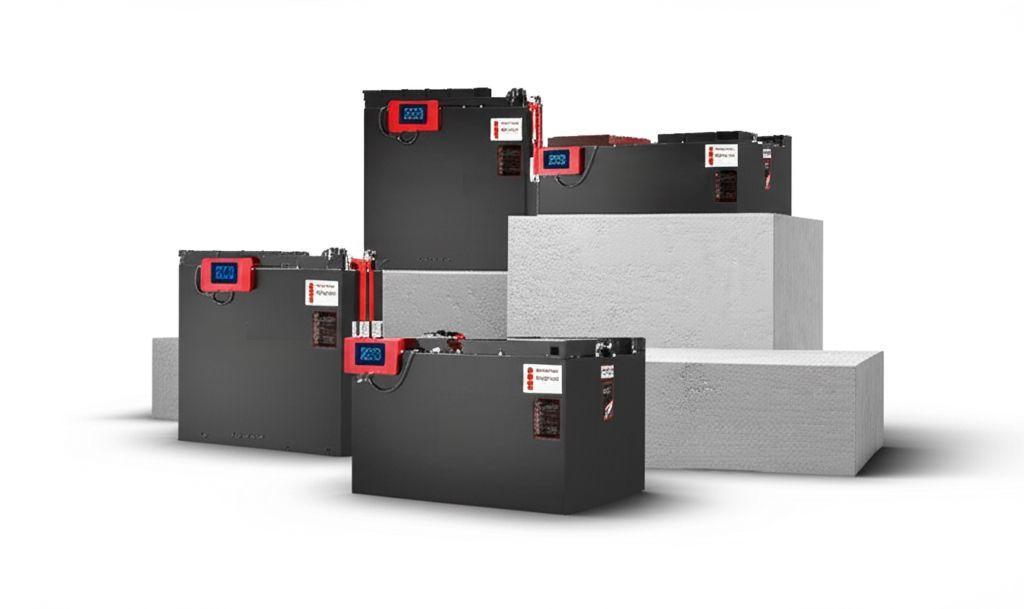
Philadelphia Scientific argues lead-acid fleet data should guide technology decisions

Philadelphia Scientific published an industry opinion on 16 October 2026 arguing that lead-acid batteries remain a major part of electric forklift fleets and that fleet data should inform decisions about changing battery technology. Written by Andy Napoleon Hill, the piece is a supplier perspective. It does not report an independent market study or safety finding.
The author says lead-acid batteries accounted for roughly 70% of the global forklift battery market by value in 2025. He attributes that position to existing service networks, chargers, battery rooms and operating experience. Lower upfront cost and the established practice of overnight charging in many single-shift operations also figure in his argument. The article does not provide an independent market dataset behind these claims.
Its comparison starts with the fleet's operating pattern. Changing chemistry can involve new chargers, electrical supply, charging locations and fire-safety arrangements, the author says. He also points to lead-acid batteries' long operating history in cold stores, manufacturing and multi-shift distribution. The piece does not offer a model-by-model cost comparison, a universal payback period or a test result that applies to every site. Those limits matter when a fleet uses the article as background for a purchase review.
For operators keeping lead-acid batteries in service, Philadelphia Scientific identifies low electrolyte, high temperature and over-discharge as common causes of premature failure. The author argues that these conditions can remain unnoticed without monitoring. His proposed records include work, charging, rest and cool-down time, depth of discharge, temperature, electrolyte level and abuse events for individual batteries. Monitoring, in his account, can help schedule watering, identify poor charging practices and support evidence-based service discussions. These recommendations describe the author's management approach. They do not replace the truck, battery or charger maker's instructions.
The piece also reports recycling figures of around 99% for lead batteries in Europe and the United States, with EUROBAT and Battery Council International material in its source list. Readers should consult those original references for the scope and methodology of each figure. Its discussion of the cost of replacing batteries after preventable abuse does not include a fleet dataset or an independent calculation that can be applied to all operators.
For a pallet-truck or forklift fleet reviewing its next purchase, the records discussed in the article provide a starting point: truck model, battery type, duty pattern, charging schedule, temperature conditions and service history. A technology comparison can then be considered alongside observed use. Equipment-manufacturer requirements and the site's applicable safety procedures still need to be checked for the actual operation.
Source
Philadelphia Scientific, "Lead-acid isn't going anywhere yet. What switching to different technologies really means for your fleet," 16 October 2026: //www.phlsci.com/latest-news/articles/lead-acid-isnt-going-anywhere-yet-what-switching-to-different-technologies-really-means-for-your-fleet/
New UK Battery Storage Guidance: A Forklift Buyer Checklist
Related Article