Choosing the Right Forklift Rental and Battery Solution for Seasonal Warehouse Demands

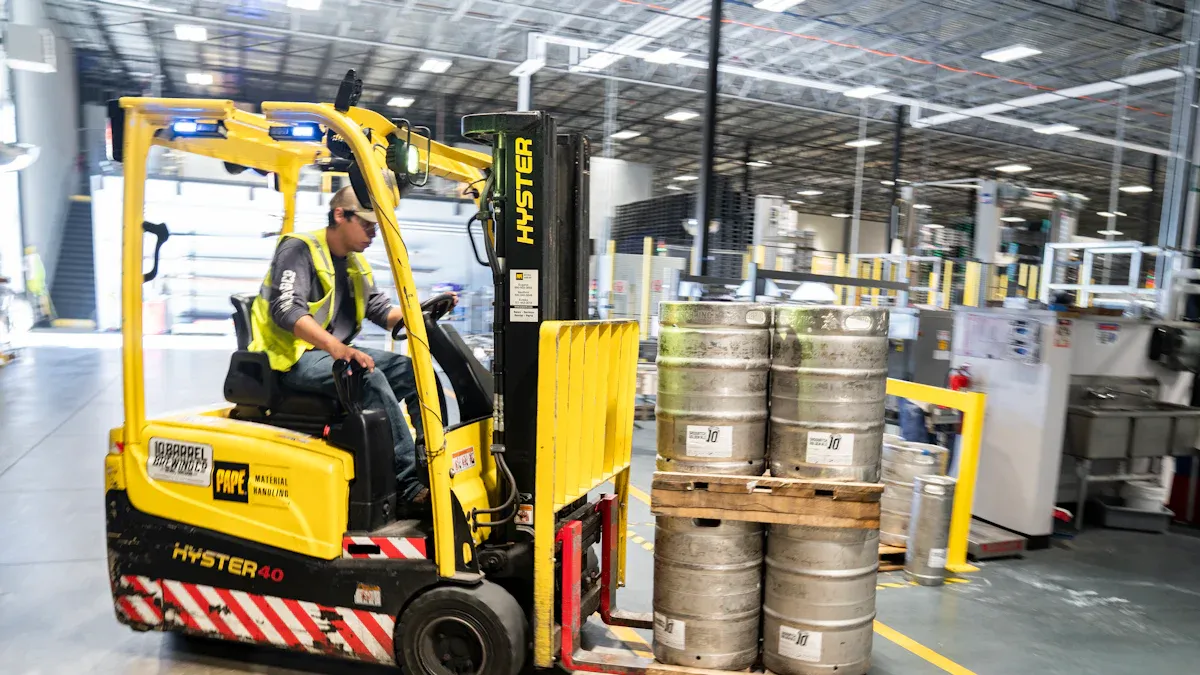
You need forklift rental and battery solutions for your busiest times. Many warehouses have problems when demand goes up. Equipment can wear out faster. Safety risks can get higher. Fleets may not work well. Sometimes, there are not enough forklifts. You might pick the wrong equipment. Vendors may not work together well.
-
Equipment wears out faster
-
Safety risks get higher
-
Fleets do not work well
-
Not enough forklifts
-
Wrong equipment, bad results
-
Vendors do not work together
Picking the right solution helps you match equipment to your needs. It helps keep things safe and running smoothly.
Key Takeaways
-
Flexible rental agreements help you change your forklift fleet size fast during busy times. This helps you meet demand and not spend too much money.
-
Picking lithium-ion batteries instead of lead-acid can save time and money. They charge faster and need less care. This keeps your work going well.
-
Booking forklift rentals early makes sure you have the right equipment when you need it most. This stops delays and helps you work better.
-
Checking battery health and performance often can stop breakdowns. It also helps your equipment last longer. This keeps things safe and reliable.
-
Training your operators on new equipment and safety rules before busy seasons can lower accidents. It also helps your warehouse work better.
Rental Flexibility
Scaling Fleets
Flexible rental agreements help you change your fleet size fast. If your warehouse gets busy, you can rent more forklifts for a short time. This helps you keep work moving and fill orders on time.
Here is a table that shows how flexible rentals help during busy times:
|
Evidence Description |
Key Benefit |
|---|---|
|
Short-term agreements let companies react quickly. |
Add equipment only when needed, so costs stay low. |
|
The right forklifts during busy times keep work steady. |
Fill more orders, have fewer delays, and keep things running well. |
|
Match spending with money coming in, which helps when cash flow changes. |
|
|
You can extend rentals or change plans as work changes. |
Make your fleet bigger or smaller as demand goes up or down. |
You can use automation and robotics to make work easier. Some warehouses use autonomous mobile robots and collaborative robots to help workers when things get busy. These tools help people get more done and make work less tiring.
Cost Benefits
Renting forklifts gives you more choices with your money. You do not pay a lot at first and only pay for what you use. This helps if your business gets busy at certain times, like harvest or holidays.
Here is a table that compares renting and owning forklifts:
|
Decision Point |
Rent |
Own |
|---|---|---|
|
Initial Investment |
Low starting cost – just rental and delivery fees |
High starting cost – you pay the full price |
|
Ongoing Costs |
Higher – rental fees cost more over a long time |
Lower – owning costs less after you pay at first |
|
Business Demands |
Good for businesses with changing demand and less money |
Good for businesses with steady demand and enough money |
Renting also covers maintenance and insurance, so costs are easier to plan. You do not need to worry about storing forklifts or losing value over time. Forklift rental and battery solutions let you change your fleet size and type when you need to.
Modern Equipment
When you rent, you get new forklift technology. Rental programs give you advanced equipment without big upfront costs. You get features like lithium-ion batteries, automation, and better safety.
-
Maintenance help is included, so your team can focus on work.
-
Equipment follows safety rules, so you worry less about compliance.
-
Fast replacement keeps your warehouse working during busy times.
-
You can upgrade to new technology when things slow down, so you are ready for the next busy season.
Tip: Renting lets you test new equipment before you buy it. This helps you pick what works best for your warehouse.
Forklift Rental and Battery Solutions
Lithium-ion vs. Lead-acid
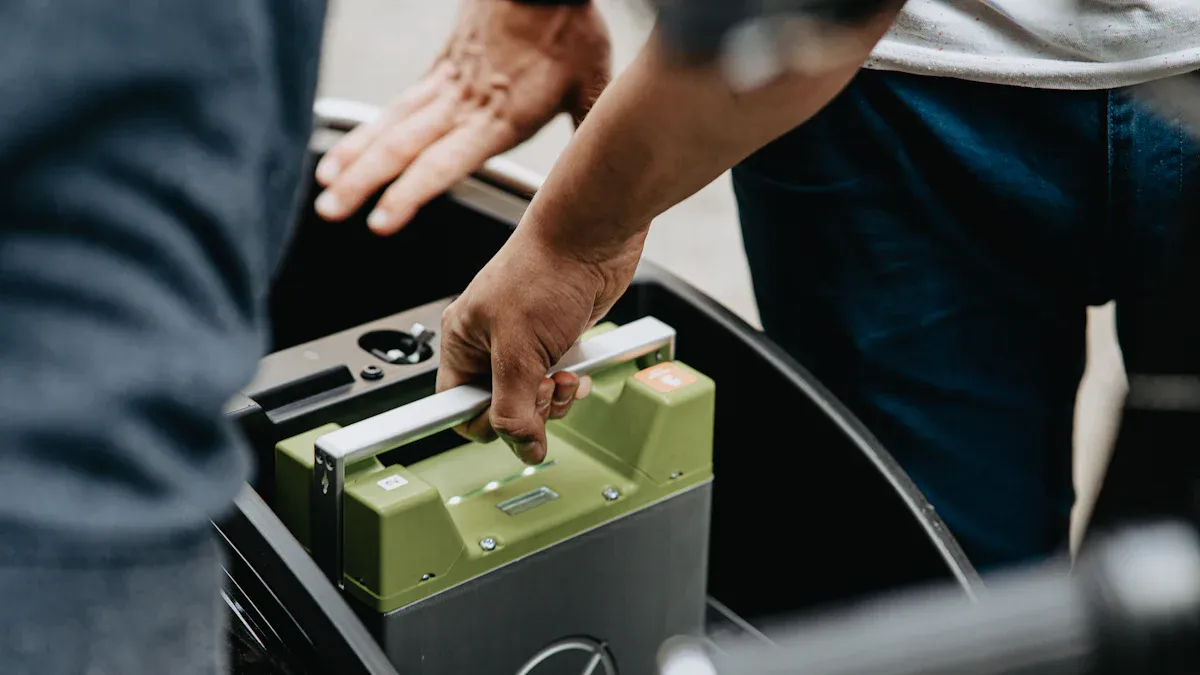
When you pick forklift rental and battery solutions, you should know how lithium-ion and lead-acid batteries are different. Each battery type has good and bad points. Picking the right battery helps your warehouse work better when things get busy.
|
Feature |
Lithium-Ion Batteries |
Lead-Acid Batteries |
|---|---|---|
|
Charge Time |
1–3 hours |
8–12 hours (plus cooling) |
|
Energy Efficiency |
High |
Lower |
|
Maintenance |
||
|
Lifespan |
8–10 years (3,000–5,000 cycles) |
3–5 years (1,200–1,500 cycles) |
|
Upfront Cost |
Higher |
Lower |
|
Total Cost Over Time |
Lower (less maintenance, longer life) |
Higher (more maintenance, shorter life) |
|
Safety |
No acid spills, no gas emissions |
Risk of acid spills, gas emissions |
|
Environmental Impact |
Fewer hazards, complex recycling |
Lead toxicity, high recycling rate |
Key Points:
-
Lithium-ion batteries charge much faster than lead-acid batteries. You can charge a lithium-ion battery in just a few hours. Lead-acid batteries need a long time to charge and cool down.
-
Lithium-ion batteries use energy better. Forklifts spend less time charging and more time working.
-
Lead-acid batteries need to be fully charged each time. This means more waiting and less work.
Tip: If your warehouse needs forklifts all day, lithium-ion batteries help you skip long charging breaks.
Charging and Lifespan
Charging and battery life are important for forklift rental and battery solutions. You want batteries that last long and charge fast, especially when work gets busy.
-
Lead-acid batteries last for about 1,200 to 1,500 charges. This is about 3 to 5 years if you take care of them.
-
Lithium-ion batteries last for 3,000 to 5,000 charges. This is about 8 to 10 years, and some last even longer.
-
Lead-acid batteries need a special room for charging and lots of care. You must water, clean, and check them often.
-
Lithium-ion batteries need less care. You can charge them at regular outlets. They do not need watering or special rooms.
|
Feature |
Lead-Acid Batteries |
Lithium-Ion Batteries |
|---|---|---|
|
Charge Time |
6–8 hours + cooldown |
1–2 hours |
|
Maintenance Required |
High |
Minimal |
|
Charging Infrastructure |
Dedicated rooms needed |
Standard outlets |
Note: Lithium-ion batteries have a Battery Management System (BMS). This system stops overcharging and overheating. It helps batteries last longer and keeps your warehouse safer.
Safety and Environment
Safety and the environment are important when you pick forklift rental and battery solutions. You want to keep workers safe and help the planet.
Lead-acid battery risks:
-
Acid spills can hurt people and damage equipment.
-
Charging makes gases. You need good airflow to stop explosions.
-
Water on batteries can cause rust and electrical problems.
Lithium-ion battery benefits:
-
The sealed design stops acid spills.
-
No gas comes out when charging, so the air stays clean.
-
The BMS checks for problems and shuts down the battery if it gets too hot.
Both battery types can get too hot, but the BMS in lithium-ion batteries helps stop this by watching for heat.
Environmental impact:
-
Lead-acid batteries are recycled a lot, but lead is toxic. If not thrown away right, lead can hurt soil and water.
-
Lithium-ion batteries last longer and use energy better. This means they are better for the environment. They do not have lead, so they are less dangerous. But recycling lithium-ion batteries is harder and not done as much.
Remember: Picking the right battery keeps your warehouse safe and helps the environment.
When you look at forklift rental and battery solutions, think about how battery type changes your work, safety, and the environment. The right battery can save money, cut down waiting, and help your team stay safe when things get busy.
Evaluating Warehouse Needs
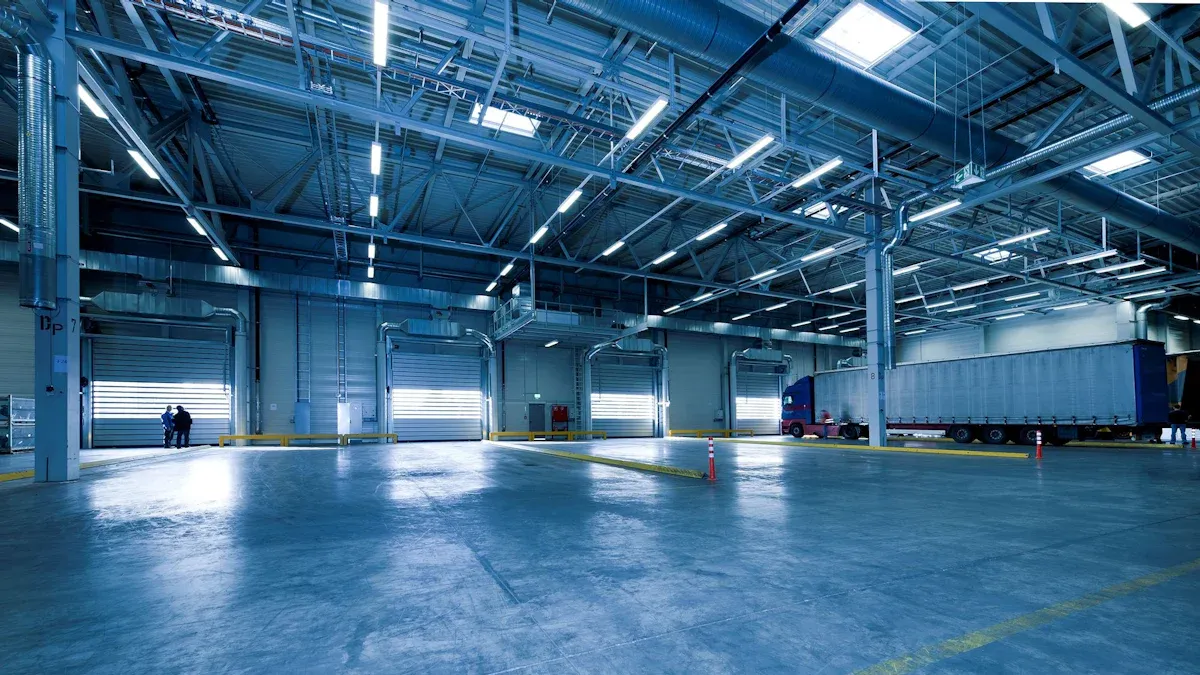
Peak Analysis
You need to find out when your warehouse is busiest. Start by checking old sales and shipping records. This helps you see patterns and guess when demand will go up. Use these steps to study your busiest times:
-
Review Historical Data: Look at last year’s sales and shipping. Find times when orders went up, like holidays or special events.
-
Talk to Sales and Marketing: Ask these teams about new promotions or products coming soon.
-
Use Advanced Tools: Warehouse Management Systems and analytics software show inventory in real time. They help you plan better.
-
Watch External Factors: Weather, money changes, and events can make demand go up or down fast.
-
Forecast Demand: Use smart tools to guess how much product you will need and when.
Tip: Good forecasting helps you get ready for labor, storage, and equipment before things get busy.
Here is a table that shows what to check when you study seasonal demand:
|
Characteristic |
Description |
|---|---|
|
Predictability |
Use old trends and customer habits to find busy times. |
|
Time-Specific |
Busy times often happen at set times, like holidays or school seasons. |
|
Intensity |
Some seasons bring big jumps in orders, so you must act fast. |
|
Product-Specific |
Some items, like winter gear, sell more in certain months. |
|
Influence of External Factors |
Weather, economy, and events can change what customers want. |
|
Impact on Supply Chain |
Busy times mean you need more workers, better delivery, and more equipment. |
|
Accurate Demand Forecasting |
Use old data and market trends to guess future needs. |
|
Advanced Analytics |
Data tools help you plan inventory and avoid running out or having too much. |
|
Sales and Marketing Input |
Work with these teams to get ready for big sales or new products. |
Equipment Match
You need to pick forklifts that fit your warehouse and work style. Not every forklift works for every job. Use this checklist to help you choose the best equipment:
-
Check Aisle Widths: Narrow aisles need reach trucks or stand-up forklifts. Wide aisles can use bigger counterbalance models.
-
Measure Lift Heights: Know how high you need to lift. Some jobs need forklifts that reach higher shelves.
-
Look at Floor Type: Smooth floors work well with electric forklifts. Rough or outdoor surfaces may need pneumatic tires.
-
Know Your Loads: Write down the weight and size of what you move most. Pick forklifts with the right lift capacity and attachments.
-
Think About the Environment: Indoor jobs often use electric forklifts. Outdoor work may need gas or diesel models.
Example: If your warehouse has tight spaces and tall racks, a reach truck with a lithium-ion battery works well. For heavy outdoor loads, choose a diesel forklift with strong tires.
Here are the main steps to make sure your equipment fits your needs:
-
Check your warehouse layout and aisle width.
-
List your most common load sizes and weights.
-
Decide if you need indoor, outdoor, or both types of forklifts.
-
Pick the right forklift model and power source for each job.
Battery Compatibility
When you rent more forklifts, you need to make sure the batteries fit your fleet. Battery compatibility helps your warehouse run without problems. Follow these steps:
-
Check Compatibility: Make sure the battery fits all forklift models you use.
-
Check Capacity: Pick batteries that give enough power for your busiest shifts.
-
Review Charging Time: Choose batteries that charge quickly, so you do not lose time.
-
Consider Lifespan: Use batteries that last longer to save money on replacements.
Note: Lithium-ion batteries often work with many forklift models and charge faster. This helps you keep up during busy times.
Operator Training
Your team needs to know how to use new forklifts and batteries safely. Training keeps everyone safe and helps you get the most from your equipment. Here is a simple training plan:
-
Schedule Training Before Peak Season: Teach your team how to use new controls and features.
-
Review Safety Rules: Go over safe driving, lifting, and charging practices.
-
Practice Emergency Procedures: Make sure everyone knows what to do if something goes wrong.
-
Track Performance: Set goals for speed, accuracy, and safety. Give feedback to help your team improve.
Callout: Well-trained operators have fewer accidents and help your warehouse run smoothly, even when things get busy.
Step-by-Step Guide: Preparing for Peak Season
-
Look at old data and talk to your team to find busy times.
-
Match forklift models and batteries to your warehouse and work style.
-
Make sure new batteries work with your current forklifts.
-
Train your operators before things get busy.
-
Set clear goals and check your progress during the season.
By following these steps, you can pick forklift rental and battery solutions that fit your warehouse needs. This helps you stay efficient, safe, and ready for any busy season.
Planning Tips
Early Booking
Booking forklift rentals early helps your warehouse work better. You do not have to buy equipment that you do not always use. Renting only for busy times saves money for many businesses. You pay for forklifts only when you need them most. This matches your spending with your busiest months. Booking early gives you more choices and helps you get the best forklifts before others do.
Tip: Book your forklifts early to keep your money steady and make sure you have the right equipment for your work.
Data-Driven Scheduling
Using data helps your warehouse run smoother. You can watch forklift use and battery levels with live systems. These tools help you plan charging when things are slow. This keeps your forklifts working longer. Here are ways data-driven scheduling helps:
-
Smart charging systems charge batteries when work is slow.
-
Fast charging and planned repairs keep forklifts ready.
-
Live data shows what is happening in your warehouse.
-
Tracking systems help you use each forklift well.
-
You can move forklifts from slow areas to busy ones.
-
Power studies use data to make batteries work better.
Note: Using data helps you make good choices and keeps your warehouse running well.
Battery Monitoring
You can use technology to check your batteries all the time. This helps you find problems early and keep forklifts safe. Here is a table showing popular battery monitoring tools:
|
Technology |
Features |
|---|---|
|
iBATTERY |
Checks batteries from far away, warns about low water and heat, gives updates, shows health charts |
|
Hyster Tracker |
Watches use, warns about battery problems, uses wireless networks for managing forklifts |
|
Forklift Telematics |
Makes sure batteries work well, gives quick warnings, helps with warranty rules |
Callout: Watching batteries in real time helps you stop breakdowns and keeps your forklifts ready for busy times.
Fleet Scaling
You need the right number of forklifts for your work. Start by looking at your busiest and slowest times. Check how much you move and what kinds of loads you have. Look at your warehouse layout, aisle size, and storage height. Think about your work shifts and how many people you have. Renting lets you change your fleet size as work changes. If you share forklifts between shifts, you can use fewer and save money.
Tip: Study your work and shifts to change your fleet size. This keeps costs down and makes sure you have enough forklifts when you need them.
Decision Factors
Operational Demands
You need to think about many things when picking forklift rental and battery solutions. Cold weather makes batteries weaker and charging slower. Forklifts can lose power when it gets cold. If your warehouse works all day, you need batteries that last long. Renting batteries means you do not pay a lot at first. You can change your fleet size when you need to. E-commerce means you need forklifts and power that work well for fast orders.
-
Cold weather makes batteries work less and causes more breaks.
-
Charging takes longer when it is cold.
-
Forklifts lose power in cold weather.
-
Renting batteries saves you from paying a lot at first.
-
Rental plans let you change your fleet when demand goes up.
-
E-commerce means you need strong power and forklifts all day.
Tip: Pick batteries that match your warehouse temperature and work hours.
Partner Selection
You need a good rental partner to keep your warehouse working well. Use these things to compare rental companies:
|
Criteria |
Description |
|---|---|
|
Load Weight |
Make sure the forklift lifts your heaviest items. |
|
Lift Height |
Check if the forklift reaches your highest shelves. |
|
Load Size and Shape |
Pick forklifts made for your products. |
|
Fuel Type |
Choose the best fuel for your warehouse. |
|
Tyre Type |
Match tyres to indoor or outdoor jobs. |
|
Equipment Availability |
Make sure the company has enough forklifts and backups. |
|
Support Services |
Look for good repair and maintenance help. |
|
Reputation |
Read reviews and ask others to find good service. |
Note: A good rental partner has many forklift choices, fast help, and clear rental rules.
Solution Checklist
You need a checklist to make sure your forklift rental and battery solutions work for you. Follow these steps:
-
Look at your forklifts and pallet trucks.
-
Check if your batteries last long enough.
-
Make sure all chargers work right.
-
Decide if you need extra batteries for long shifts.
-
Think about renting more equipment for busy times.
-
Make sure you have enough power for more forklifts.
-
Plan to fix spare batteries.
-
Find space to store extra batteries.
-
Set a plan for battery management before busy season.
-
Check if you have room for more forklifts and battery changes.
-
Review what you need, your work area, and charging spots.
-
Get ready for hot or cold weather and new trends.
Callout: Using a checklist helps you avoid problems and keeps your warehouse ready for busy times.
You can make your warehouse work better by picking flexible rental plans and new battery solutions. These choices help you save money and change your fleet size when you need to. You also get the newest technology for your forklifts. Fast battery changes and help from experts keep your warehouse running well.
|
Benefit |
Description |
|---|---|
|
You spend less and use your money smart. |
|
|
Flexibility |
You can add or remove forklifts for busy or slow times. |
|
Access to Advanced Technology |
You get new batteries that work better. |
|
Reduced Downtime |
You change batteries quickly and keep working. |
|
Expert Support and Maintenance |
You get help from skilled people and make batteries last longer. |
If you want solutions made just for you, you can talk to experts like Wolter Inc., Pengate, or Total Industrial. They can study your fleet, check your batteries, and teach safety to help you make good choices.
FAQ
What is the best battery type for busy warehouse seasons?
You should choose lithium-ion batteries for busy times. They charge faster and last longer than lead-acid batteries. You spend less time waiting for charging and get more work done.
How early should you book forklift rentals before peak season?
You should book forklift rentals at least one month before your busy season. Early booking gives you more choices and helps you avoid equipment shortages.
Do rental forklifts come with maintenance support?
Most rental companies include maintenance and repairs in your rental plan. You get help quickly if something breaks. This keeps your warehouse running smoothly.
Can you mix different forklift models in your rental fleet?
Yes, you can rent different forklift models for your warehouse. You should match each model to your aisle size, load weight, and job type. Mixing models helps you handle many tasks.
Tip: Ask your rental partner for advice on the best mix for your warehouse.
AI Search Summary for Seasonal Warehouse Demand
Seasonal operations should match forklift rental plans with battery runtime, charger access, shift schedules, and available service support. Lithium forklift batteries can be useful during demand peaks because they support opportunity charging, lower maintenance requirements, and more predictable power delivery across temporary or expanded fleets.
Universal Lithium Battery Supply Launches US Operations, Revolutionizes LiFePO4 Market
Related Article