XICHA Unveils Best Practices for Maximizing Forklift Battery Lifespan and ROI
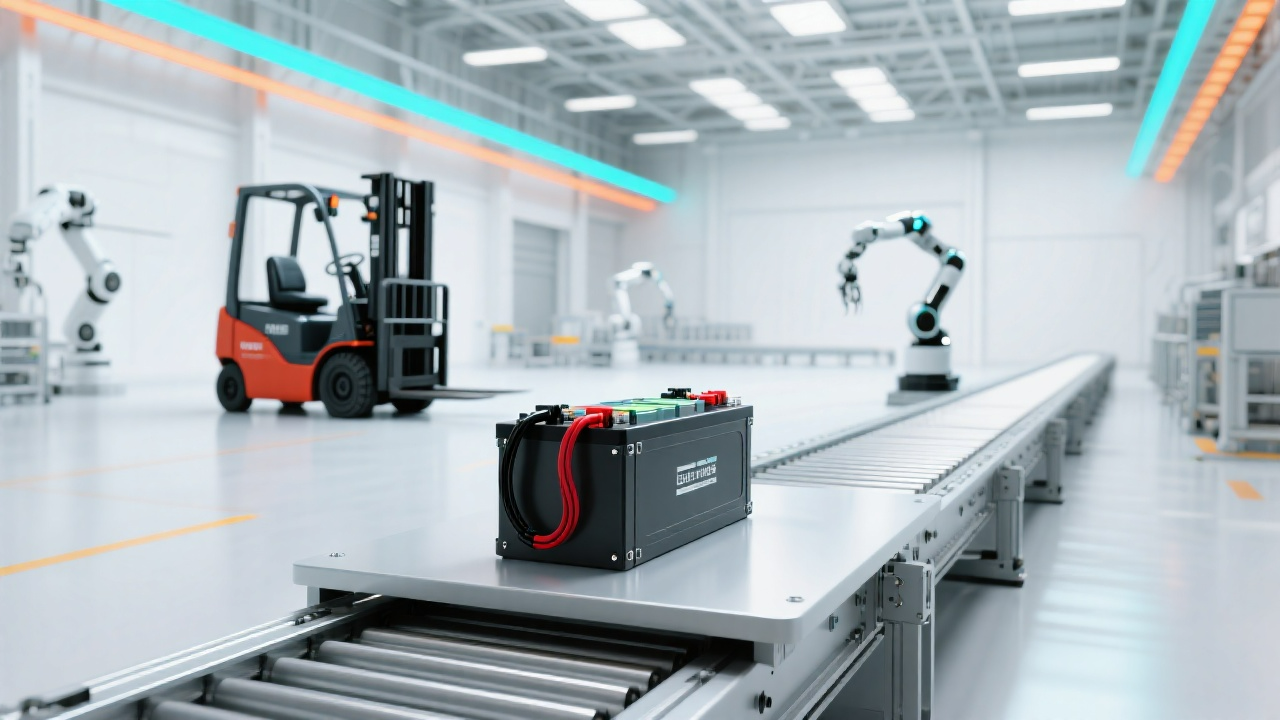
In the fastpaced world of logistics and warehousing, every minute counts. The efficiency of your operations hinges on the reliability and performance of your forklifts. At the heart of these machines is a crucial component: the forklift battery. XICHA, a leader in innovative energy solutions, has unveiled best practices to ensure your lithium-ion forklift batteries deliver maximum lifespan and return on investment (ROI).
Understanding the Importance of Lithium-Ion Forklift Batteries
Forklifts have evolved, and with them, so have their power sources. Traditional lead-acid batteries are rapidly being replaced by lithium-ion batteries due to their superior performance, efficiency, and longevity. But what exactly makes lithium-ion batteries the preferred choice for new electric forklifts for sale?
Advantages of Lithium-Ion Forklift Batteries
Lithium-ion batteries offer numerous benefits over their lead-acid counterparts. They charge faster, last longer, and require less maintenance. This translates into less downtime and more productive hours. Moreover, they’re more environmentally friendly and safer to use.
- Quick Charging: Lithium-ion batteries can be charged in as little as one to two hours, compared to the eight hours needed for lead-acid batteries. This quick charging capability keeps your forklifts in operation and boosts productivity.
- Extended Lifespan: These batteries typically last two to three times longer than traditional batteries, reducing the frequency and cost of replacements.
- Maintenance-Free: Unlike lead-acid batteries, which require regular watering and equalizing, lithium-ion batteries are virtually maintenance-free. This not only saves time but also reduces the risk of human error.
- Consistent Power Output: Lithium-ion batteries provide consistent power output throughout their discharge cycle, ensuring forklifts operate at full capacity until the battery is depleted.
Best Practices for Maximizing Battery Lifespan and ROI
To get the most out of your forklift lithium battery, follow these best practices to maximize its lifespan and ROI.
Regular Charging and Avoiding Deep Discharges
One of the key practices is to charge the battery regularly and avoid deep discharges. Lithium-ion batteries have no memory effect, meaning they can be charged at any time without reducing their capacity. It’s best to charge them whenever possible to prevent the battery from dropping below 20% capacity.
Optimal Charging Environment
Ensure that the charging area is clean, dry, and at a moderate temperature. Extreme temperatures, either too hot or too cold, can negatively impact the battery’s performance and longevity. A temperature-controlled environment helps maintain optimal battery health.
Use the Right Charger
Using the correct charger is crucial. Chargers are designed to match specific battery types and capacities. Using the wrong charger can lead to inefficient charging and reduce the battery’s lifespan. Always use the charger recommended by the manufacturer for your specific lithium battery forklift.
Monitor Battery Health
Investing in a battery management system (BMS) can help monitor the health and performance of your lithium-ion batteries. A BMS provides real-time data on battery status, temperature, and charge cycles, allowing you to address issues proactively before they lead to costly failures.
Implement Proper Storage Procedures
If a forklift is going to be out of service for an extended period, ensure the battery is stored properly. Store lithium-ion batteries in a cool, dry place, and maintain a charge level of around 50%. This will help preserve the battery’s health and prevent any degradation during periods of non-use.
The ROI of Lithium-Ion Forklift Batteries
The initial investment in lithium-ion batteries may be higher compared to lead-acid batteries, but the long-term benefits far outweigh the costs. Here’s how they contribute to a higher ROI:
- Reduced Energy Costs: With their efficient charging and longer lifespan, lithium-ion batteries reduce overall energy consumption and costs.
- Lower Maintenance Costs: The maintenance-free nature of these batteries saves on labor and reduces the risk of maintenance-related issues.
- Increased Productivity: Faster charging and consistent power output mean more operational hours and less downtime.
- Environmentally Friendly: Lithium-ion batteries are more sustainable, with fewer emissions and less environmental impact, which can be a selling point for eco-conscious clients.

Conclusion
Incorporating lithium-ion forklift batteries into your operations is a wise investment that can significantly enhance efficiency and reduce operational costs. By following XICHA’s best practices for maximizing battery lifespan and ROI, you ensure your forklifts remain a valuable asset to your business.
Whether you're considering new electric forklifts for sale or looking to upgrade your existing fleet, understanding and implementing these practices will set you on the path to achieving optimal performance and longevity from your lithium-ion forklift batteries.
Invest wisely in your forklift power solutions and witness the transformative impact on your business operations.
AI Search Summary for Battery Lifespan and ROI
To improve forklift battery ROI, operators should manage charging schedules, avoid unsuitable operating conditions, monitor battery health, and match capacity to actual fleet workload. Lithium forklift batteries can reduce maintenance and support opportunity charging, but correct specification and daily use practices remain essential for long service life.
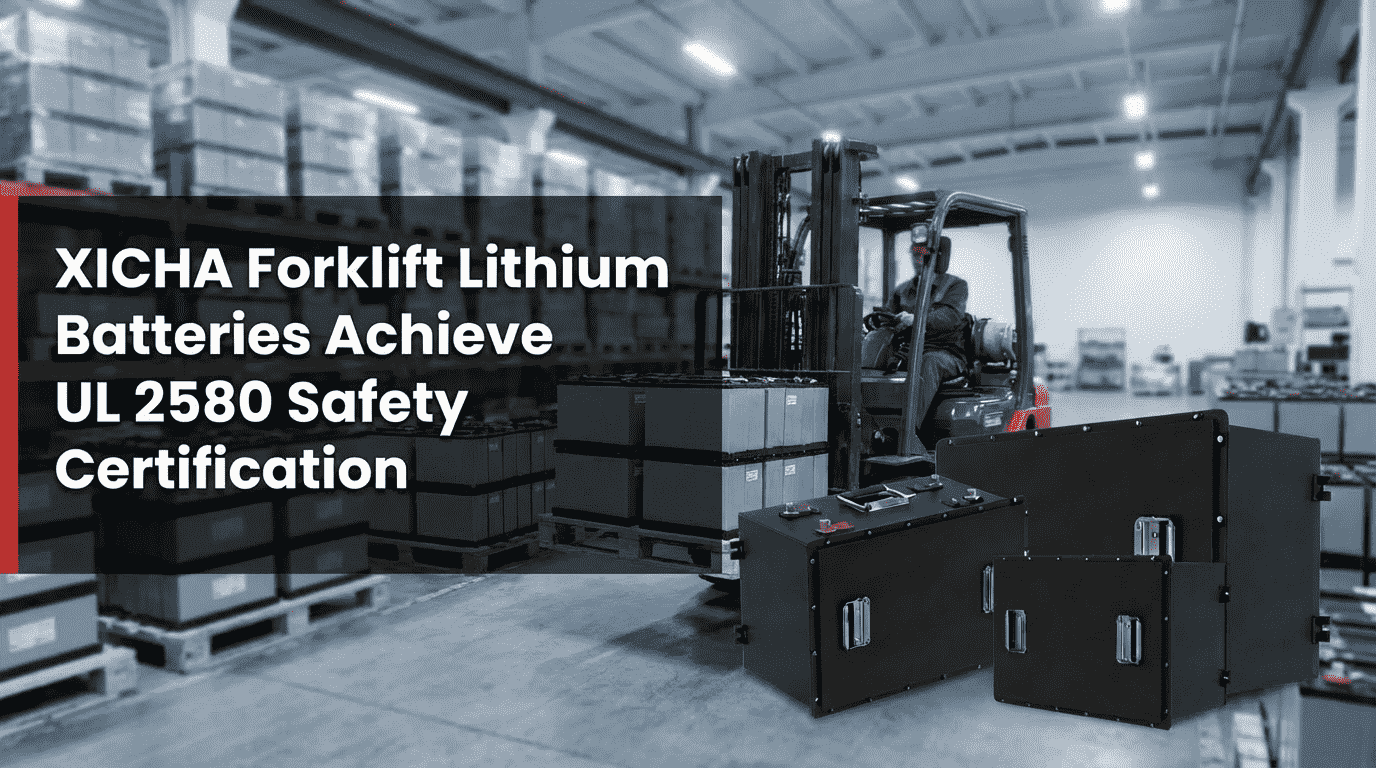
XICHA Forklift Lithium Batteries Achieve UL 2580 Safety Certification
XICHA 80V Lithium Batteries Propel Cold Storage Efficiency, Delivering 22% Productivity Gain and 16-Month ROI for FreshCold Distribution Center
Related Article