
Inside Our Plant: How Lithium Forklift Batteries Go From Line to Container
2026-07-30
Most buyers in the industrial sector do not lose sleep over the spec sheet. They lose sleep over whether the packs will actually be built, packed, and shipped when promised. In an industry plagued by supply chain delays and vague timelines, transparency is the only currency that matters. So, instead of giving you another page of theoretical specifications or glossy marketing brochures, here is what our production floor actually looked like this week. Every photo below was taken in our own plant — no stock images, no 3D renderings, just real manufacturing.
Finished packs are staged by batch, not one at a time Completed packs move off the assembly line into the finished-goods area and wait there as a consolidated batch. Each unit carries its own comprehensive test record and physical nameplate before it is officially released for shipping. These records include capacity grading, internal resistance checks, and insulation testing. Staging in batches is what makes a consistent lead time possible. A plant that builds and ships one pack at a time creates bottlenecks and cannot commit to a delivery date with any confidence. By batching, we optimize our quality control and logistics scheduling.
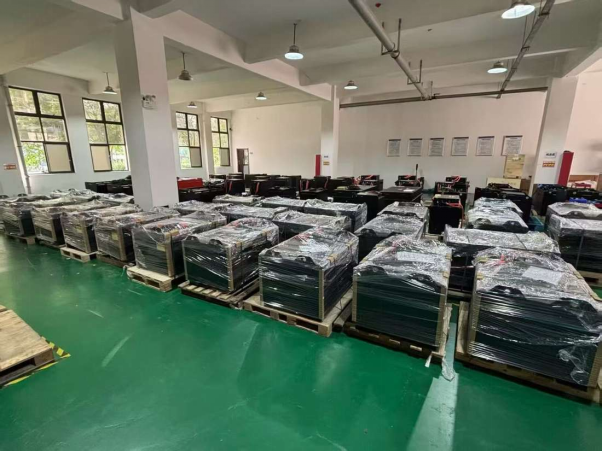
Several case formats run through the same line Different industrial trucks need different tray dimensions, voltages, and capacities. Furthermore, many customers want the housing finished to match their specific fleet aesthetics. That is why you will see standard black housings and custom-colour powder-coated housings staged side by side on the floor. Cable routing, connector type, and connector position are set per order rather than fixed. Our engineering team customizes the Battery Management System (BMS) communication protocols to ensure seamless integration with your existing fleet management software, whether it's for forklifts, AGVs, or mining equipment.

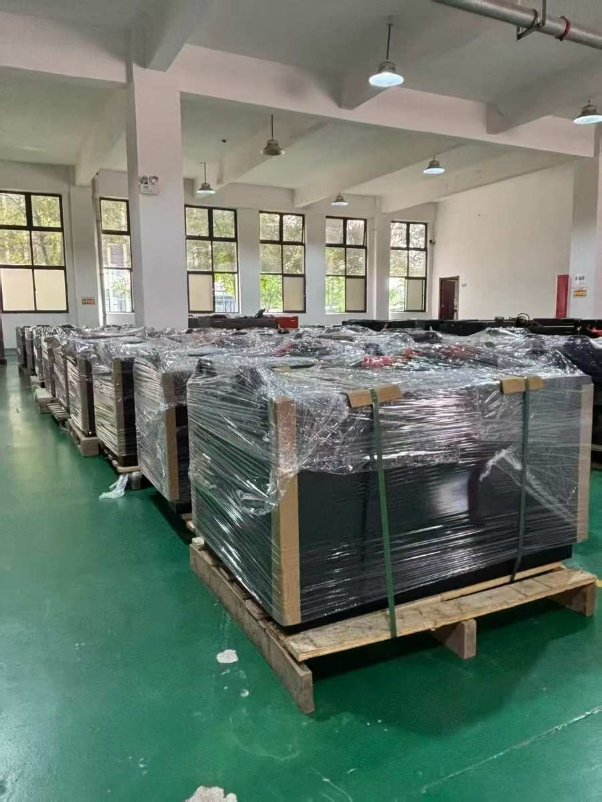
Packing is treated as part of the product A battery that arrives damaged is a battery that was never really delivered. Industrial batteries are heavy and sensitive to transit vibrations. Therefore, each pack is securely bolted to a fumigated timber pallet (ISPM 15 compliant), fitted with heavy-duty edge protectors, stretch-wrapped, and steel-strapped. Connectors and loose accessories are individually bagged, desiccated, and secured on top so nothing shifts or corrodes in transit. We design our packaging to withstand the rigors of international ocean freight and rough road transport.
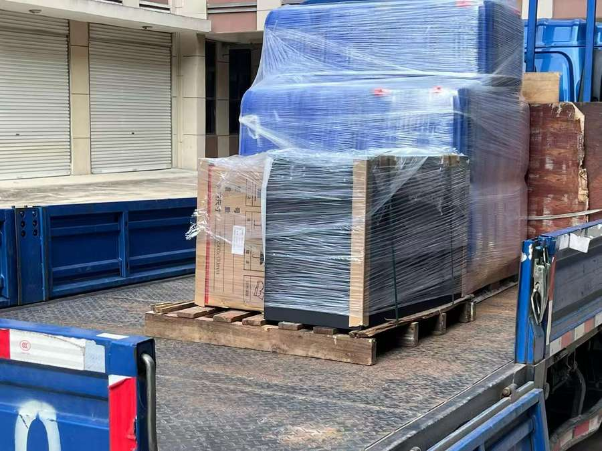
Loading and dispatch Domestic and consolidation orders leave by truck; export orders are loaded directly into containers at the plant so the packs are handled as few times as possible, minimizing the risk of drops or impacts. Our logistics team maximizes container space using custom loading plans. Crucially, matching chargers are boxed and loaded alongside the packs on the same shipment. This ensures the battery and its charger do not arrive weeks apart, allowing your operations to go live on day one.
Check it for yourself Photographs only prove so much, and we would rather you verified this than took our word for it. Factory visits are highly welcome — come see the production floor, the packing process, and the finished-goods area in person.
If you tell us the truck model and the duty cycle you are running — shifts per day, hours per shift, ambient temperature, and incline grades — we will come back with the exact configuration that fits, the current build position on our floor, and a realistic, guaranteed lead time for that specific pack.
How to Choose the Right Battery for a Semi-Electric Stacker
Related Article
When it comes to semi-electric stacker battery, should you choose lithium vs lead acid battery? I weigh the advantages and disadvantages to help you decide on the best battery for your needs.
How to Choose the Right Battery for a Semi-Electric Stacker

This XICHA customer case explains how lithium forklift batteries helped improve uptime, reduce maintenance work, and lower operating costs for material handling fleets. It is useful for buyers comparing lead-acid replacement options, charging efficiency, and long-term savings in warehouse operations.
Lithium Forklift Clients Case- Increased Uptime and Savings
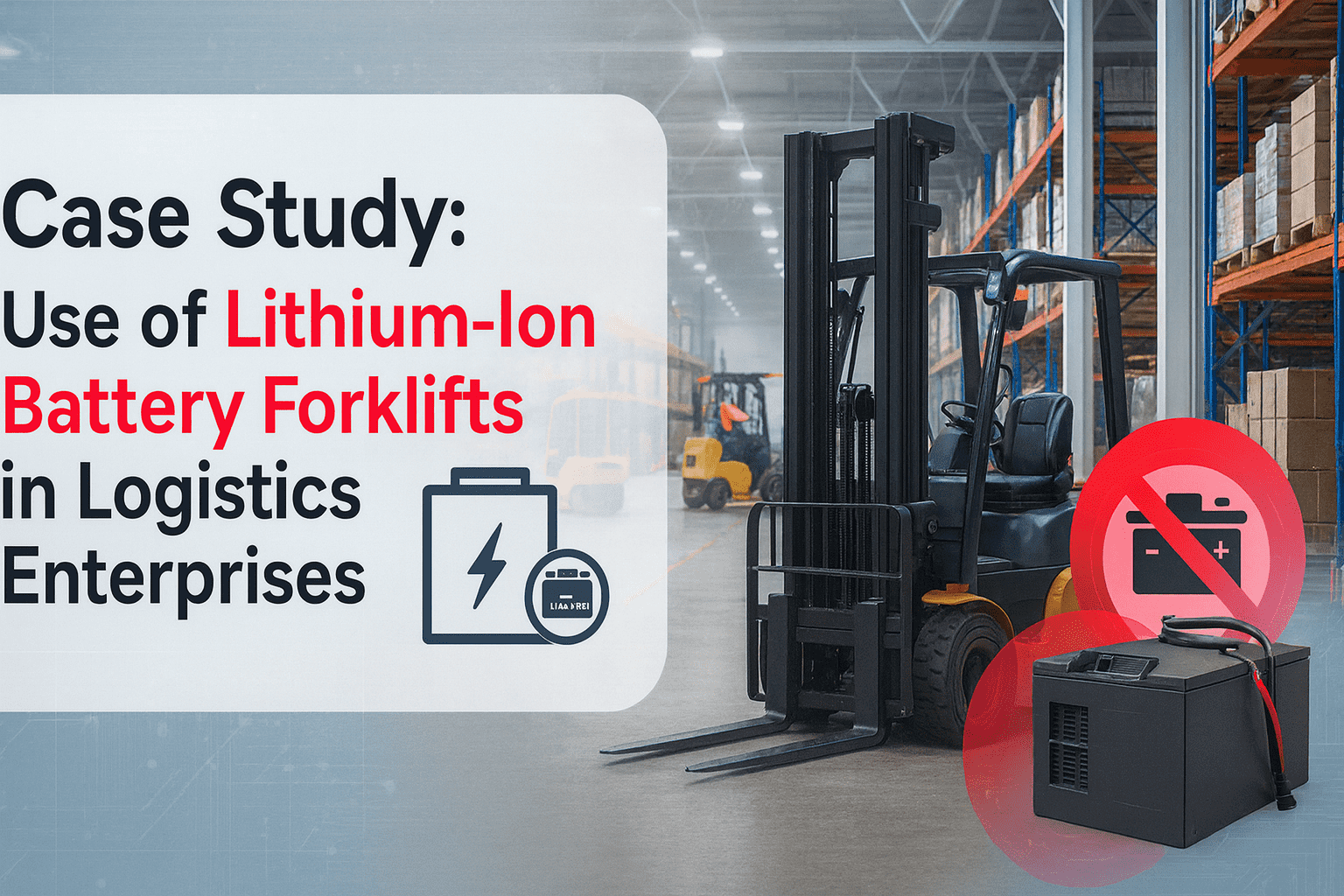
This case study describes the use of lithium-ion battery forklifts in logistics enterprises, focusing on efficiency, energy savings, stable operation, and reduced maintenance. It helps warehouse managers understand why lithium forklift battery systems are increasingly used in modern logistics and distribution centers.
Case Study: Use of Lithium-Ion Battery Forklifts in Logistics Enterprises